

Many people think of gum disease as just a dental problem that leads to bleeding gums or bad breath. But research shows that the health of your gums is closely linked to the health of your entire body. Inflammation and bacteria from infected gums can travel through the bloodstream and contribute to serious conditions such as heart disease, diabetes complications, and even pregnancy issues. Understanding these connections can help you take the right steps to protect both your smile and your well-being.
What Is Gum Disease?
Gum disease, also known as periodontal disease, is an infection of the tissues that hold your teeth in place. It begins when plaque and tartar build up along the gumline, allowing bacteria to irritate and inflame the gums. The earliest stage, gingivitis, is reversible with professional cleanings and good home care. If left untreated, it can progress to periodontitis, which causes the gums to pull away from the teeth, form pockets that become infected, and eventually destroy the bone supporting the teeth. Advanced periodontitis can lead to loose teeth and tooth loss.
Gum disease is surprisingly common in the United States. According to data from the Centers for Disease Control and Prevention referenced by dental sources in Stockton, 47.2% of adults aged 30 years and older have some form of periodontal disease. For adults aged 65 and older, the rate jumps to more than 70% for periodontitis, the advanced stage. This means that nearly half of all American adults are affected.
Signs and Symptoms to Watch For
Recognizing the early signs of gum disease can help you seek treatment before it causes more serious damage. Common symptoms include:
- Red, swollen, or tender gums
- Gums that bleed when you brush or floss
- Persistent bad breath that does not go away
- Gums that are receding or pulling away from teeth
- Loose or shifting teeth
- Changes in your bite or the fit of partial dentures
If you notice any of these signs, it is important to see a dentist in Stockton for an evaluation. Early intervention can often reverse gingivitis and prevent progression to more severe forms of gum disease.
How Gum Disease Impacts Your Heart
One of the most studied links between gum disease and overall health is its connection to heart disease. Research shows that the bacteria responsible for gum inflammation can enter the bloodstream and attach to fatty deposits in the arteries, potentially contributing to the formation of blood clots and narrowing of the arteries. Both gum disease and heart disease share common risk factors such as smoking, obesity, stress, and poor nutrition, making the relationship even more complex.
A 2015 study reported an increase in the severity of heart attacks in patients with gum disease. Another 2014 study found that patients who received treatment for gum disease had fewer hospitalizations and lower healthcare costs related to heart disease. While gum disease does not directly cause heart disease, treating it may decrease the odds of developing or worsening cardiovascular problems. For residents of Stockton who already have heart concerns, taking care of their gums could be an important part of their overall health strategy.
Gum Disease and Diabetes: A Two-Way Street
Diabetes and gum disease have a bidirectional relationship. High blood sugar levels increase the risk of developing infections, including gum infections. At the same time, the inflammation caused by gum disease can make it harder for people with diabetes to control their blood sugar. This creates a cycle where each condition worsens the other.
Patients with diabetes who have gum disease often find it more challenging to manage their glucose levels. Treating gum disease through scaling and root planing or other periodontal therapies can lead to better blood sugar control. For this reason, Stockton dentists encourage diabetic patients to pay extra attention to their gum health and schedule regular checkups.
 Other Systemic Health Conditions Linked to Gum Disease
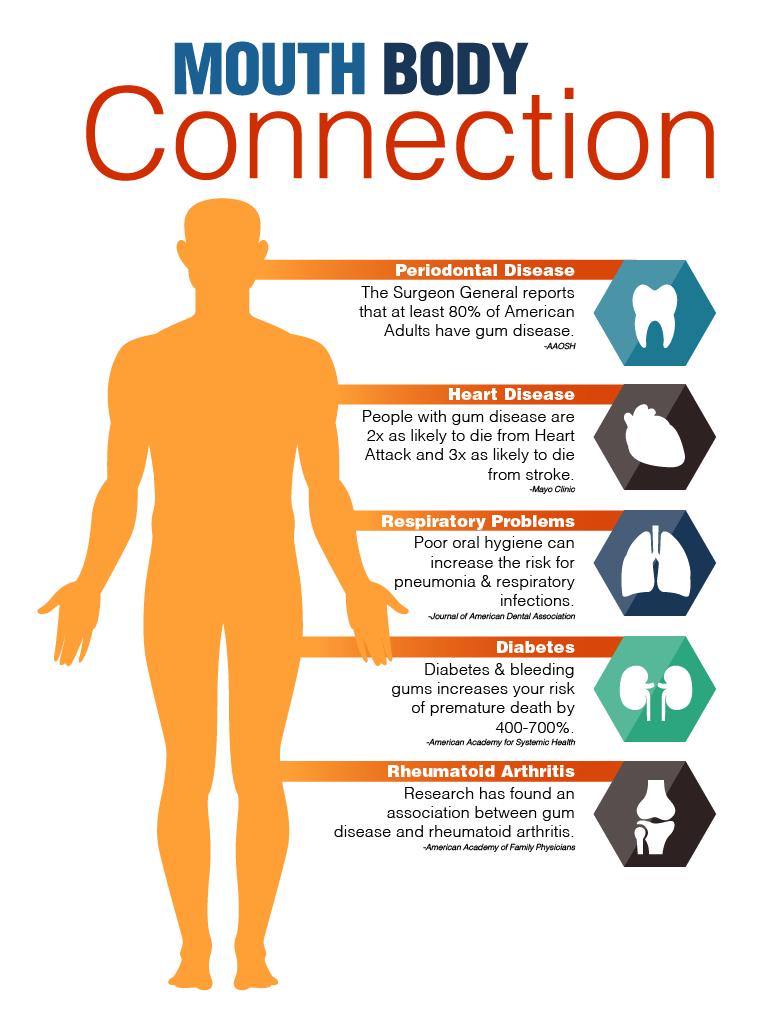
The effects of gum disease may extend beyond the heart and diabetes. Researchers have found associations between periodontal disease and several other health problems:
- Respiratory infections: Bacteria from infected gums can be inhaled into the lungs, potentially worsening conditions like pneumonia or chronic obstructive pulmonary disease.
- Pregnancy complications: Pregnant women with gum disease may have a higher risk of preterm birth and low birth weight babies.
- Rheumatoid arthritis: The chronic inflammation seen in gum disease may contribute to the inflammatory processes in rheumatoid arthritis.
- Kidney disease: Some studies suggest that people with gum disease are more likely to have chronic kidney disease.
These connections highlight that gum health is not separate from overall health. Keeping your gums healthy is an investment in your entire body.
Risk Factors for Developing Gum Disease
Certain factors can increase your chances of developing gum disease. Some of these you can control, while others are genetic or age-related. Key risk factors include:
- Smoking or using tobacco products
- Poor oral hygiene and infrequent professional cleanings
- Genetics – some people are more prone to gum disease even with good care
- Poor nutrition, especially a diet high in sugar
- Hormonal changes in women, such as during pregnancy or menopause
- Certain medications that reduce saliva flow
- Stress, which can weaken the immune system
If you have one or more of these risk factors, it is even more important to maintain regular dental visits. Dentists in Stockton can create a personalized prevention plan to keep your gums healthy.
How Gum Disease Is Treated in Stockton
Treatment for gum disease depends on how advanced it is. For mild cases, a professional cleaning and improved home care may be enough. For more serious cases, a deep cleaning called scaling and root planing is often the first step.
Scaling and root planing involves removing plaque and tartar from above and below the gumline and smoothing the tooth roots to help gums reattach. This treatment is typically done in two visits, with one side of the mouth treated at a time. Local anesthesia is used to keep you comfortable. After deep cleaning, your dentist may recommend more frequent checkups every three to four months instead of the standard six months to keep the disease under control.
For advanced periodontitis where deep pockets remain and bone loss has occurred, additional procedures such as laser treatment or oral surgery may be necessary. Gum disease is considered a chronic condition. As one Stockton dental source notes, it is managed rather than cured, meaning ongoing maintenance is essential.
Prevention: Your Best Defense
The most effective way to avoid the health complications of gum disease is to prevent it from starting. Good oral hygiene at home is the foundation. Brush your teeth twice a day with fluoride toothpaste and floss daily to remove plaque from between teeth. Using an antiseptic mouthwash can also help reduce bacteria.
Professional cleanings and exams are equally important. Regular visits allow your dentist to catch early signs of gum disease and remove tartar that brushing cannot reach. For Stockton residents, finding a dentist who offers comprehensive preventive care is a smart step toward protecting both oral and overall health.
The Role of Your Stockton Dentist
Your local dentist can be a partner in managing not just your smile but also your general well-being. By diagnosing and treating gum disease early, they help reduce your risk of more serious systemic problems. Many Stockton dental practices offer personalized care for patients of all ages, including those with dental anxiety or special health conditions. If you have not had a dental checkup in a while, now is a good time to schedule one. Your gums will thank you, and so may your heart.
Frequently Asked Questions
Can gum disease really affect my heart?
Yes, studies have found a link between gum disease and heart disease. Bacteria from infected gums can enter the bloodstream and contribute to inflammation in blood vessels. Treating gum disease may help lower your risk of heart problems.
Is gum disease reversible?
Gingivitis, the earliest stage of gum disease, is reversible with professional cleaning and improved oral hygiene. Once it progresses to periodontitis, it cannot be cured but can be managed with ongoing treatment and maintenance.
How often should I see a dentist if I have gum disease?
Patients with gum disease typically need cleanings every three to four months instead of the standard six months. This regular maintenance helps control the disease and prevent further damage.
What are the first signs of gum disease I should look for?
The earliest signs are red, swollen, or bleeding gums, especially when brushing or flossing. Persistent bad breath, gum tenderness, and receding gums are also common indicators.
Does treating gum disease help with diabetes control?
Yes, treating gum disease can lead to better blood sugar control in people with diabetes. Reducing gum inflammation improves the body's ability to manage glucose levels.